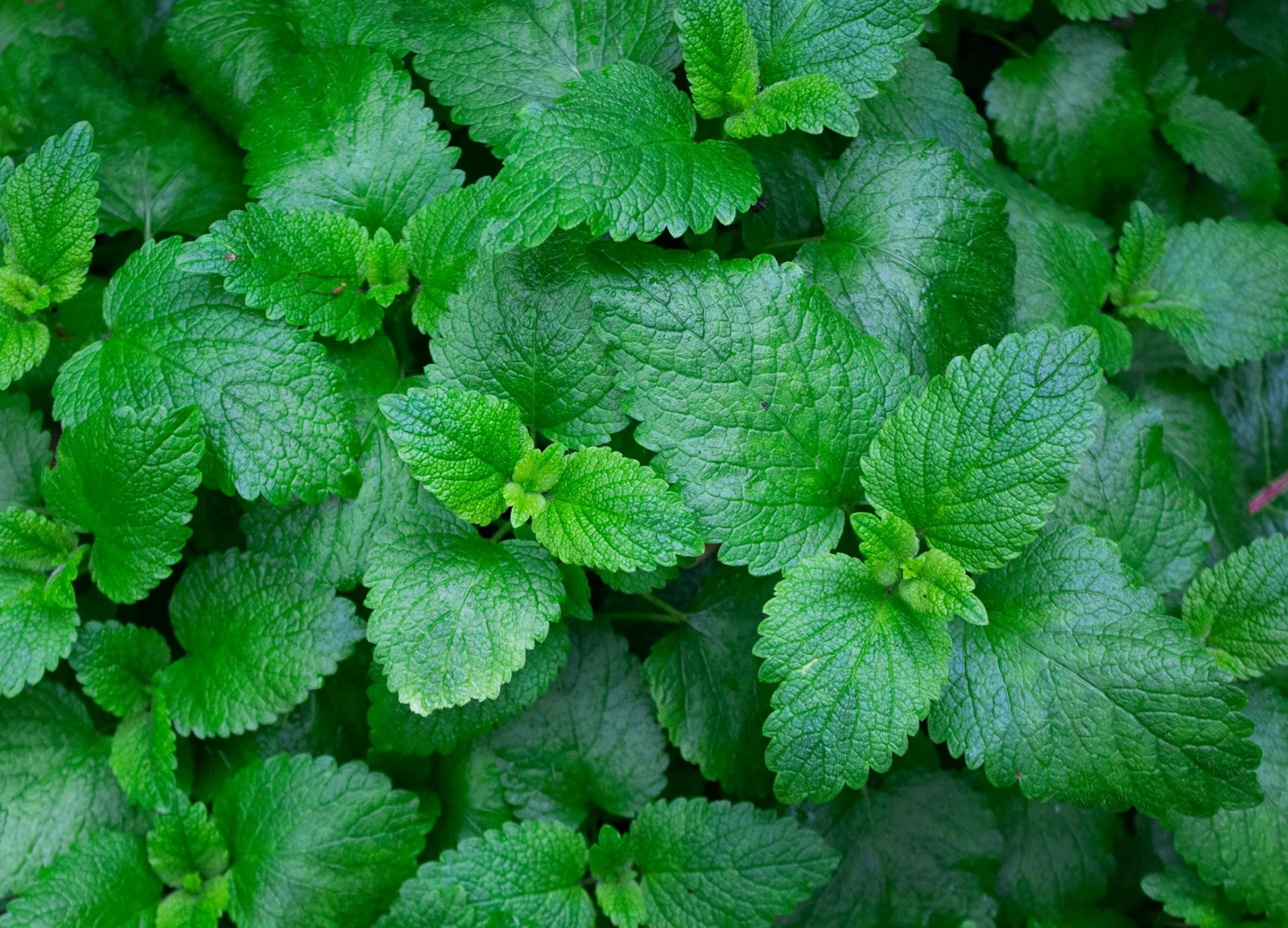
Mint is a fragrant herb that belongs to the Lamiaceae family. It is characterized by its aromatic leaves and can be found in various species, the most common being peppermint and spearmint. It is often used to enhance flavors in cooking, teas, and cocktails.
Mint is a fragrant herb that belongs to the Lamiaceae family. It is characterized by its aromatic leaves and can be found in various species, the most common being peppermint and spearmint. It is often used to enhance flavors in cooking, teas, and cocktails.
Nutrition & health benefits
per 100g: fat g: 0.44
carbs g: 14.89
fiber g: 8
iron mg: 1.15
sugar g: 0
water g: 85
zinc mg: 0.17
calories: 70
protein g: 3.75
sodium mg: 8
calcium mg: 203
folate mcg: 62
magnesium mg: 64
potassium mg: 317
vitamin a iu: 3373
vitamin c mg: 31.8
vitamin k mcg: 457
saturated fat g: 0.2
per serving: fat g: 0.1
carbs g: 2
calories: 10
protein g: 0.5
serving size: 1 cup (fresh leaves)
antioxidants: Rosmarinic acid
Luteolin
phytochemicals: Flavonoids
Triterpenoids
Mint is known for its digestive benefits and is often used to alleviate symptoms of indigestion. It has antimicrobial properties and can also help freshen breath. Its soothing effect is also beneficial in reducing headache symptoms.
major: Culinary herbs deliver antioxidants and polyphenols per gram than many superfoods.
Many carry gentle digestive, anti-inflammatory or antimicrobial benefits.
Fresh herbs help reduce salt intake by boosting flavour naturally.
evidence: Consensus among USDA, NIH and WHO reviews is that mint contributes positively to a balanced eating pattern when consumed in appropriate portions.
Cooking methods
cutting: Use sharp knife for chopping.
washing: Gently wash to avoid bruising leaves.
cleaning: Rinse under cold water to remove soil.
buying tips: Select fresh, vibrant green leaves without wilting.
cooking methods: Steaming
Infusing
Raw
freshness indicators: Bright green color
Fresh aroma
seasonal buying guide: Best bought in spring and summer.
**Cleaning**
Rinse under cold water to remove soil.
**Washing**
Gently wash to avoid bruising leaves.
**Cutting**
Use sharp knife for chopping.
Cultivation
climate: Temperate zones preferred.
diseases: Mint rust
Powdery mildew
rainfall: Moderate, around 30-50 cm annually.
harvesting: Cut before flowering for best flavor.
irrigation: Regular watering needed.
temperature: Optimum growth at 20-25°C.
growing season: Spring to late summer.
harvest period: Late spring to early summer.
yield per acre: Approx. 3,000 lbs.
growing regions: North America
Europe
Asia
pest management: Integrated pest management recommended.
planting methods: Seeds or cuttings.
soil requirements: Well-drained, rich soil.
organic cultivation: Possible, often with crop rotation.
fertilizer requirements: Balanced fertilizer application recommended.
Recipes
name: Mint Tea
tags: Drink
Herbal
tips: Choose fresh mint for best flavor.
method: Boil water.
Add mint leaves.
Steep for 5 minutes.
Sweeten with honey if desired.
region: North Africa
country: Egypt
cuisine: Middle Eastern
servings: 4
cook time: 5 min
nutrition: calories: 2
prep time: 5 min
chef notes: Great iced in the summer!
difficulty: Easy
description: A refreshing herbal tea made with fresh mint leaves.
ingredients: Fresh mint leaves
Water
Honey (optional)
recipe source: Traditional
suitable diets: Vegan
Gluten-free
Origin & history
ancient uses: Used by Romans in cooking and for medicinal purposes.
region of origin: Europe
country of origin: United Kingdom
historical timeline: year: 500
event: Mint was used in ancient Roman cuisine.
year: 1000
event: Mint is mentioned in medieval herbal texts.
year: 1800
event: Peppermint oil begins to be extracted commercially.
cultural significance: In some cultures, mint represents hospitality and generosity.
domestication history: Mint has been cultivated for over 2,000 years.
traditional importance: Mint is often used in religious ceremonies and celebrations.
historical trade routes: Mint was traded throughout Europe and Asia, used as both a spice and medicine.
Storage
freezing: Can be frozen for longer storage.
shelf life: Dried mint can last for up to a year.
dry storage: Dried leaves can be stored in airtight containers.
refrigeration: Store fresh mint in the fridge.
best practices: Keep in a cool, dark place.
Avoid moisture exposure.
common mistakes: Storing without ventilation.
Exposing to direct sunlight.
storage methods: Refrigeration
Freezing
Dry storage
spoilage indicators: Wilting
Discoloration
Transportation
humidity: High humidity recommended during transport.
packaging: Plastic bags or boxes for fresh mint.
shelf life: 1-2 weeks if stored properly.
shipping methods: Air freight preferred for fresh leaves.
storage temperature: 0-4°C.
cold chain requirements: Maintain cool temperatures to preserve freshness.
Sustainability
climate resilience: Adapts well to various climates.
sustainable farming: Encouraged to minimize the environmental impact.
environmental impact: Relatively low if sustainably farmed.
organic certification: Available for mint production.
pollinator importance: Attracts beneficial insects.
regenerative agriculture: Practiced by some farmers.
More about this food
Mint has been used for thousands of years for its medicinal properties.
It is commonly used in Middle Eastern cuisine, often paired with lamb dishes.
Peppermint oil is used in aromatherapy and medicinal preparations.
Source references
url: https://fdc.nal.usda.gov
type: report
title: Mint: Health Benefits and Nutritional Information
authors: USDA Nutrient Data Laboratory
publisher: USDA


 Mint