Conch is a marine mollusk found in tropical and subtropical waters, particularly in the Caribbean. It has a hard shell and is often used in a variety of dishes, including salads, fritters, and soups. The meat is considered a delicacy in many cultures.
Conch is a marine mollusk found in tropical and subtropical waters, particularly in the Caribbean. It has a hard shell and is often used in a variety of dishes, including salads, fritters, and soups. The meat is considered a delicacy in many cultures.
Nutrition & health benefits
per 100g: fat g: 1.5
carbs g: 0
fiber g: 0
iron mg: 2
sugar g: 0
water g: 77
zinc mg: 1
calories: 91
protein g: 14
sodium mg: 50
calcium mg: 20
folate mcg: 0
magnesium mg: 25
potassium mg: 300
vitamin a iu: 100
vitamin c mg: 0
vitamin k mcg: 0
saturated fat g: 0.5
per serving: fat g: 1.5
carbs g: 0
calories: 91
protein g: 14
serving size: 100g
Conch is low in fat and high in protein, making it beneficial for muscle maintenance and overall health. It also contains essential minerals such as potassium and iron.
major: Exceptional source of zinc, iron, copper, iodine and vitamin B12.
Very lean, complete protein with minimal saturated fat.
Regular moderate intake supports thyroid, immune and cognitive function.
evidence: Consensus among USDA, NIH and WHO reviews is that conch contributes positively to a balanced eating pattern when consumed in appropriate portions.
Cooking methods
cutting: Slice thinly or grind for salads.
washing: Wash thoroughly to remove any slime.
cleaning: Rinse under cold water to remove sand.
buying tips: Select fresh, meaty shells with no strong odor.
cooking methods: Boiling
Frying
Baking
Grilling
freshness indicators: Solid texture
Fresh sea smell
seasonal buying guide: Best purchased during warm weather months.
**Cleaning**
Rinse under cold water to remove sand.
**Washing**
Wash thoroughly to remove any slime.
**Cutting**
Slice thinly or grind for salads.
Cultivation
climate: Tropical and subtropical climates.
harvesting: Collected from the ocean floor using divers and traps.
temperature: Warm ocean waters between 24°C to 30°C.
growing season: Year-round in suitable climates.
growing regions: Caribbean
Florida
Honduras
Recipes
name: Conch Fritters
tags: Snack
Fried
tips: Serve with a lime wedge.
method: In a bowl, mix all ingredients until well combined.
Heat oil in a frying pan over medium heat.
Drop spoonfuls of the batter into the hot oil.
Fry until golden brown on each side.
Remove and drain on paper towels.
region: Caribbean
country: Bahamas
cuisine: Caribbean
servings: 4
cook time: 15 minutes
image url: https://example.com/conch_fritters.jpg
nutrition: fat: 13
carbs: 32
protein: 8
calories: 280
prep time: 20 minutes
chef notes: Try adding cayenne pepper for a kick!
difficulty: Medium
description: Crispy fritters filled with flavorful conch, perfect as an appetizer.
ingredients: 1 cup conch meat, diced
1/2 cup flour
1/2 cup cornmeal
1/4 cup onion, chopped
1/4 cup green pepper, chopped
1/2 tsp baking powder
Salt and pepper to taste
Oil for frying
recipe source: Bahamas Culinary Institute
suitable diets: Paleo
Gluten-free
Origin & history
ancient uses: Used in various indigenous dishes and as tools.
region of origin: Caribbean
country of origin: Bahamas
historical timeline: event: Conch has been used as a food source for thousands of years.
cultural significance: A staple in Caribbean cuisine, especially in Bahamian and Jamaican cultures.
domestication history: Historically harvested by indigenous peoples for food and tools.
traditional importance: Traditionally celebrated in local festivals and cuisine.
Storage
freezing: Can be frozen for longer storage; may alter texture.
shelf life: 1-2 days in the refrigerator, several months when frozen.
refrigeration: Store in a refrigerator at temperatures between 0-4°C.
best practices: Keep in air-tight containers
Use within the recommended time
common mistakes: Leaving out at room temperature too long
Not inspecting for spoilage
storage methods: Refrigeration
Freezing
spoilage indicators: Strong odor
Slimy texture
Transportation
packaging: Kept in insulated containers.
shelf life: 1-2 days refrigerated when fresh.
shipping methods: Air freight and refrigerated shipping.
storage temperature: 0-4°C.
cold chain requirements: Recommended to maintain freshness.
transportation constraints: Requires quick transport to maintain quality.
Sustainability
sustainable farming: Efforts are being made to ensure sustainable harvesting.
environmental impact: Overfishing poses a significant ecological threat.
More about this food
Conch shells are often used as musical instruments in traditional Caribbean music.
The conch is a symbol of the sea in various cultures and is often featured in artwork.
Source references
url: https://fdc.nal.usda.gov
type: dataset
title: Nutritional Value of Conch
authors: USDA FoodData Central
publisher: USDA


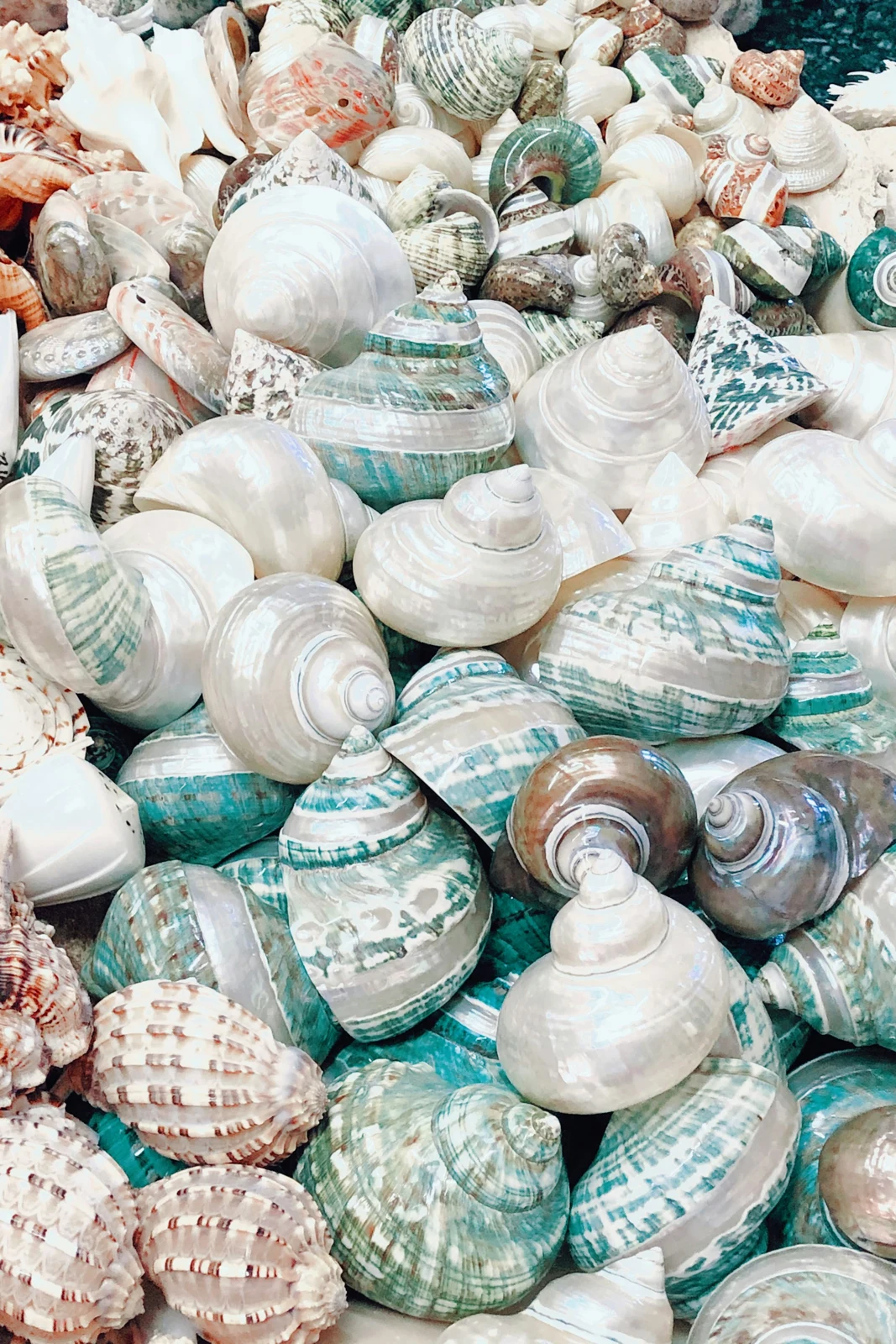 Conch