
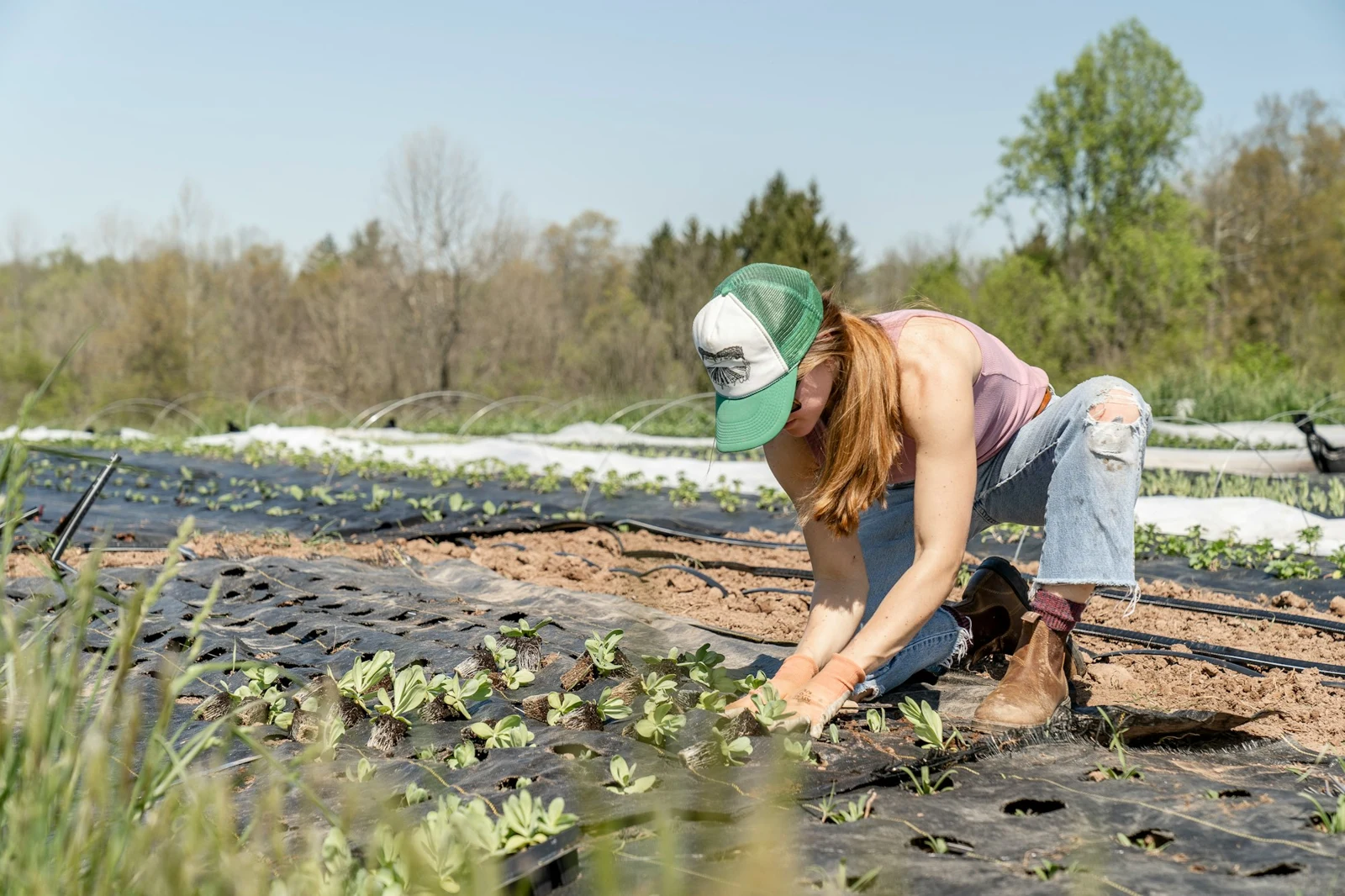
The modern food supply chain is often characterized by its complexity and the vast distances food travels from its source to the dinner plate. For small-scale rural farmers and coastal fishermen, this complexity often translates into a struggle for survival. Despite being the primary producers of our nutrition, these individuals frequently find themselves at the mercy of multiple intermediaries. By the time a crate of produce or a fresh catch reaches an urban supermarket, the original producer has often received only a fraction of the final retail price. This lack of bargaining power and limited market access not only stifles rural economies but also leads to significant food waste when unsold goods spoil before reaching a buyer.
On the other side of this divide, urban consumers are becoming increasingly conscious of their dietary choices. There is a burgeoning demand for fresh, locally sourced, and nutritionally dense foods that haven't been subjected to long-haul shipping or chemical preservation. However, finding specific items like jackfruit, moringa, or truly fresh-off-the-boat fish in a city can be an exercise in frustration. The current retail model often prioritizes shelf life and mass-market appeal over the unique flavors and nutritional profiles found in local, seasonal harvests. This creates a clear disconnect: rural producers have what urban consumers want, but they lack a direct channel to communicate and trade.
Food Pulse enters this space as a tech-driven solution designed to dismantle these traditional barriers. By operating as a mobile and web-based platform, it serves as a digital bridge connecting farmers, fishermen, and butchers directly with the people who consume their products. The core philosophy behind the platform is transparency and empowerment. By removing unnecessary middlemen, the platform allows for a more equitable distribution of profit, ensuring that those who do the hard work of harvesting and fishing are fairly compensated, while consumers gain access to high-quality goods at more affordable prices.
The functionality of Food Pulse is rooted in its innovative use of GPS technology and user-driven demand. Consumers can create personalized wish lists for specific items they are looking for, ranging from everyday staples to more exotic local varieties. Along with the item description, users can set their preferred price ranges and quantity. This 'pull' model of commerce allows producers to see exactly what is in demand in real-time. Instead of harvesting blindly and hoping for a buyer, a farmer can look at the platform and see a localized demand for bananas or leafy greens, allowing for more strategic harvesting that directly targets active consumers.
Real-time notifications play a crucial role in maintaining the freshness that Food Pulse promises. When a fisherman returns to the dock with a specific catch that matches a consumer's wish list, or a butcher prepares a fresh cut, the platform sends immediate alerts to the interested parties. This speed is essential for perishable goods, drastically reducing the time between harvest and consumption. For the consumer, this means receiving food at the peak of its nutritional value. For the producer, it means a guaranteed sale and a reduction in the risk of spoilage, which is one of the primary drivers of food waste in rural agriculture.
The environmental implications of this direct-to-consumer model are significant. The traditional food system relies heavily on long-distance logistics, which contributes to a high carbon footprint through transportation and excessive packaging. By facilitating local trade through GPS matching, Food Pulse encourages shorter supply chains. This localized approach supports biodiversity, as small farmers are more likely to grow a variety of traditional crops compared to large industrial farms that focus on monocultures for mass shipping. Furthermore, by reducing the steps in the chain, the platform inherently minimizes the energy required for cold storage and long-term preservation.
Empowering rural communities goes beyond simple economics; it fosters a sense of pride and stability. When farmers and fishermen have a reliable way to reach customers, they can invest more in sustainable practices and modern equipment. This stability can prevent the migration of rural labor to overcrowded cities, as local food production becomes a more viable and profitable livelihood. Food Pulse provides the digital infrastructure that these small-scale producers often lack, giving them a seat at the table in the modern digital economy without requiring them to abandon their traditional way of life.
The success of such a platform relies on a foundation of collaboration and technological innovation. It requires a user-friendly interface that is accessible to producers who may not be tech-savvy, as well as robust logistics support to ensure that the 'last mile' of delivery is as efficient as the digital matching process. As Food Pulse continues to grow, it represents a shift toward a more conscious and connected food culture. It encourages consumers to see the faces behind their food and understand the seasonal cycles of their local environment, transforming the act of grocery shopping into an act of community support.
In conclusion, Food Pulse is more than just an app; it is a transformative tool for social and environmental change. By leveraging GPS and real-time data, it addresses the systemic inefficiencies that have plagued the food industry for decades. The result is a win-win scenario: rural producers achieve financial independence through fair pricing, and urban consumers enjoy a healthier, more diverse diet. As we look toward a future that demands greater sustainability, platforms like Food Pulse provide a roadmap for how technology can be used to return to our roots, fostering a food system that is equitable, transparent, and resilient.